

Posted On: July 22, 2026
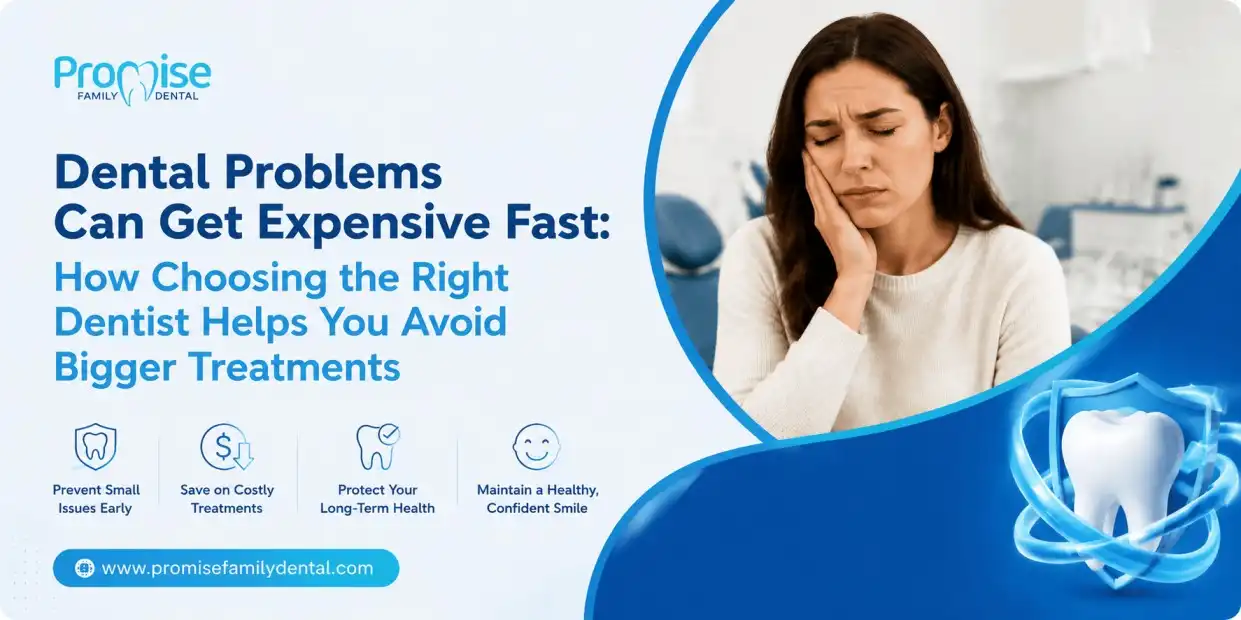
Dental Problems Can Get Expensive Fast: How Choosing the Right Dentist Helps You Avoid Bigger Treatments
Most dental problems do not start as emergencies. A small cavity, mild gum inflammation, or a tiny crack in a tooth may seem harmless at first, but these issues can become more complicated if they are left untreated. As the condition progresses, the care required often becomes more involved, increasing both treatment time and dental treatment costs.
One of the most effective ways to avoid costly dental treatment is by addressing concerns early instead of waiting until discomfort becomes impossible to ignore. Regular dental visits, timely diagnosis, and preventive care can help stop many common problems before they require extensive procedures. Choosing a dental provider who emphasizes prevention and patient education is an important step toward maintaining both your oral health and your budget.
Why Small Dental Problems Become Expensive
Many dental conditions develop gradually. When they are identified during early dental care, treatment is often simpler and less invasive. Delaying care allows problems to progress, making treatment more complex.
Cavities Can Progress to Root Canal Treatment
A cavity usually begins by affecting only the outer layer of the tooth. If it isn't treated promptly, decay can spread deeper into the tooth and eventually reach the dental pulp, where the nerves and blood vessels are located.
At that stage, a simple filling may no longer be enough. More advanced treatment, such as root canal therapy followed by a dental crown, may be necessary.
Gum Disease Can Become More Advanced
Bleeding gums are often one of the earliest signs of gum disease. Without proper care, mild inflammation can gradually damage the tissues and bone supporting the teeth.
This progression may require more extensive periodontal treatment than would have been needed if the problem had been addressed earlier.
Cracked Teeth Often Worsen Over Time
A small crack may not cause immediate pain, but everyday chewing can cause it to expand. As the crack deepens, the tooth may become more difficult to restore or may even require extraction if it cannot be saved.
Untreated Infections Can Lead to Tooth Loss
Dental infections rarely improve on their own. Ignoring swelling or persistent pain may allow the infection to spread, increasing the likelihood of more involved treatment and possible tooth loss.
Emergency Care Is Often More Complex
Unexpected dental emergencies frequently require immediate attention and can involve more extensive procedures than planned preventive visits. While emergencies cannot always be avoided, many arise from dental conditions that have gradually worsened over time.
Addressing concerns early is one of the most practical ways to avoid costly dental treatment.
How Preventive Dental Care Helps You Avoid Bigger Treatments
Preventing problems is generally easier than treating advanced dental disease. That's why preventive dental care plays such an important role in long-term oral health.
Regular Dental Examinations
Routine examinations allow dentists to detect concerns before symptoms become severe. Small cavities, worn restorations, or early gum disease can often be treated before significant damage occurs.
Professional Cleanings
Even with good brushing and flossing habits, plaque and tartar can accumulate in areas that are difficult to clean at home. Professional cleanings help reduce the risk of cavities and gum disease while supporting healthier gums.
Digital X-Rays When Appropriate
Some dental problems develop beneath the surface and may not be visible during a visual examination alone. Digital X-rays help identify concerns such as hidden decay, bone changes, or impacted teeth when clinically appropriate.
Early Diagnosis
Early dental care gives both patients and dentists more treatment options. Smaller problems often require less extensive procedures, shorter appointments, and lower overall costs.
Personalized Oral Health Advice
Every patient has unique dental needs. Personalized guidance on brushing, flossing, diet, and risk factors helps support healthy habits between appointments.
These preventive measures work together to avoid costly dental treatment while protecting your smile for years to come.
Signs You Should Schedule a Dental Visit Without Delay
Some symptoms should not be ignored because they may indicate that a dental condition is progressing.
Consider scheduling an appointment if you notice:
- Tooth sensitivity that persists
- Bleeding while brushing or flossing
- Ongoing bad breath
- Tooth pain or pressure
- Loose or damaged fillings
- Swollen or tender gums
- Chipped or cracked teeth
Waiting too long may result in dental problems getting worse, making treatment more involved than it might have been initially.
If you're looking for a trusted dentist in Suffern, NY, choosing a practice that values timely diagnosis and preventive care can help address concerns before they become more serious.
What to Look for When Choosing the Right Dentist
Not every dental practice approaches patient care in the same way. Selecting the right provider can make a meaningful difference in maintaining your oral health over time.
Look for a dentist who offers:
- Experience treating patients of different ages
- Comprehensive dental services
- A strong focus on preventive dental care
- Thorough examinations
- Honest treatment recommendations
- Clear explanations of treatment options
- Positive patient reviews
- A comfortable and welcoming environment
- Flexible scheduling for routine and urgent visits
Good communication is equally important. Patients should feel comfortable asking questions and fully understand why a particular treatment is recommended.
When selecting a dentist in Suffern, NY, choosing a practice that emphasizes prevention rather than simply treating existing problems can support healthier long-term outcomes.
Simple Habits That Help You Avoid Costly Dental Treatment
Daily habits have a significant impact on your oral health. Small, consistent efforts often reduce the likelihood of more complicated treatment later.
Here are some practical ways to protect your smile:
- Brush twice each day using fluoride toothpaste.
- Floss daily to remove plaque between teeth.
- Keep every routine dental checkup appointment.
- Limit sugary foods and beverages.
- Drink plenty of water throughout the day.
- Wear a mouthguard during sports activities.
- Don't ignore tooth discomfort or sensitivity.
- Follow your dentist's treatment recommendations promptly.
These habits, combined with regular professional care, can help avoid costly dental treatment while supporting healthy teeth and gums.
Conclusion
Many dental conditions begin as relatively minor concerns that are easier and less expensive to manage when detected early. Delaying care often allows problems to progress, increasing treatment complexity and overall dental treatment costs. Regular examinations, professional cleanings, and timely treatment all play an important role in preventing unnecessary complications.
At Promise Family Dental, preventive dentistry, patient education, and personalized treatment planning are central to the care provided for individuals and families. By focusing on early diagnosis and comprehensive dental care, the practice helps patients make informed decisions that support lasting oral health.
If you've noticed changes in your smile or it's time for your next routine dental checkup, consider scheduling a consultation before minor concerns become more difficult to treat.
Frequently Asked Questions
Can regular dental checkups really reduce future dental expenses?
Yes. Routine dental visits allow dentists to identify cavities, gum disease, worn restorations, and other concerns before they require more extensive treatment. Early diagnosis often means simpler procedures, fewer complications, and lower long-term dental expenses.
How do I know if a cavity needs treatment?
A cavity may not always cause pain in its early stages. Your dentist can detect decay during an examination or with X-rays when necessary. Treating a cavity promptly helps preserve more of the natural tooth and reduces the chance that more advanced procedures will be needed later.
What are the benefits of choosing a preventive-focused dental practice?
A preventive-focused practice emphasizes regular examinations, professional cleanings, patient education, and early diagnosis. This approach helps maintain oral health, reduces the risk of developing serious dental problems, and supports more conservative treatment whenever possible.
Article Author

Arobit
Blog Admin
Tags
Latest Posts
-
Smile Contouring: The Fastest, Least-Invasive Way to Refine Your Smile's Shape
-
Implant-Supported Dentures: The Premium, Fixed Alternative to Traditional Removable Dentures
-
Dental Implants in Suffern vs. Dentures vs. Bridges: Which Tooth Replacement Option Is Right for You?
-
Invisalign vs. Traditional Braces: An Honest Comparisons
-
What a "Top Dentist in Suffern" Listing Actually Means — and How to Verify It
Similar Posts
-
Smile Contouring: The Fastest, Least-Invasive Way to Refine Your Smile's Shape
-
Dental Implants in Suffern vs. Dentures vs. Bridges: Which Tooth Replacement Option Is Right for You?
-
What a "Top Dentist in Suffern" Listing Actually Means — and How to Verify It
-
What to Do in the First 30 Minutes of a Dental Emergency (Before You See an Emergency Dentist)
-
Choosing a New Dentist Near Suffern? 10 Things That Matter Alongside a 5-Star Rating


