

Posted On: May 12, 2026
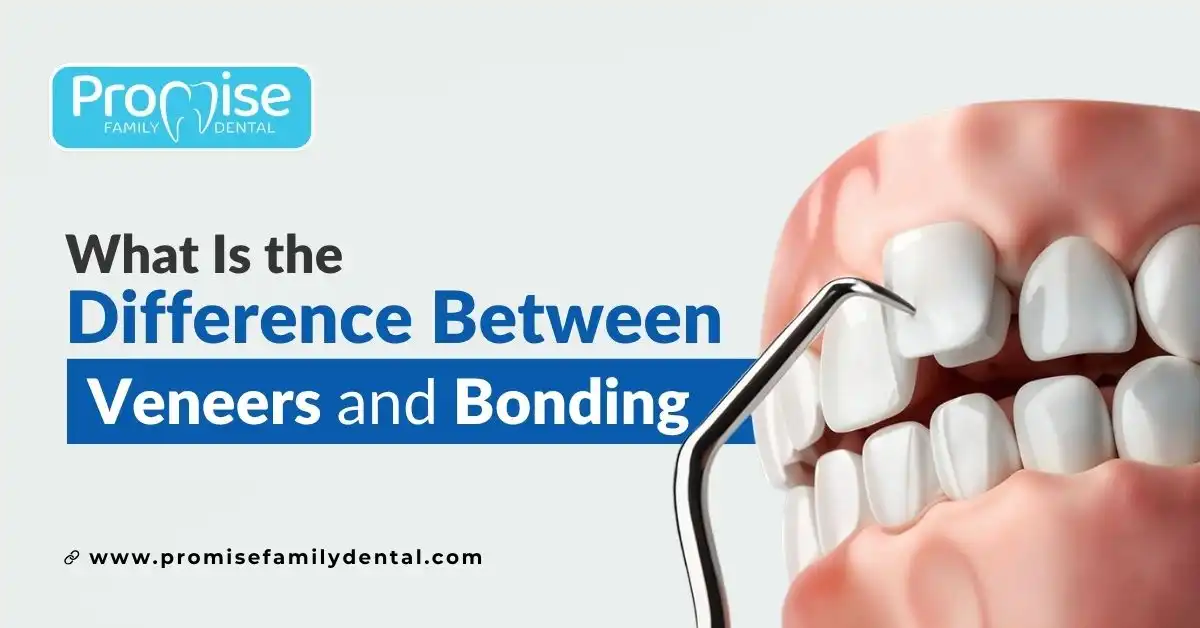
What Is the Difference Between Veneers and Bonding
A confident smile can make a strong impression, and cosmetic dental treatments are designed to improve the appearance of your teeth. Two of the most common options are veneers and dental bonding. While both aim to fix similar issues, they differ in procedure, durability, cost, and overall results.
Understanding veneers vs. bonding can help you choose the right option based on your needs, budget, and long-term goals.
What Are Dental Veneers?
Dental veneers are thin, custom-made shells placed over the front surface of teeth to improve their appearance. They are usually made from porcelain or ceramic materials.
Key Features of Veneers:
- Custom-designed to match natural teeth
- Cover the entire front surface of the tooth
- Highly resistant to stains
- Provide long-lasting results
Common Uses:
- Discolored or stained teeth
- Chipped or broken teeth
- Gaps between teeth
- Slightly misaligned teeth
Veneers are often chosen for patients looking for a long-term and more polished smile improvement.
What Is Dental Bonding?
Dental bonding involves applying a tooth-colored resin directly to the tooth and shaping it to correct imperfections. The material is then hardened using a special light.
Key Features of Bonding:
- Minimally invasive procedure
- Usually completed in a single visit
- Lower cost compared to veneers
- Quick results
Common Uses:
- Small chips or cracks
- Minor gaps
- Slight discoloration
- Uneven tooth edges
Bonding is a good option for minor cosmetic corrections and quick improvements.
Veneers vs Bonding: Key Differences
When comparing veneers vs. bonding, several important factors come into play:
1. Durability
- Veneers: Can last 10–15 years or longer with proper care
- Bonding: Typically lasts 3–7 years
Veneers are more durable and resistant to wear over time.
2. Appearance
- Veneers: Provide a more natural and polished look
- Bonding: Looks natural, but may not match the same level of detail
Porcelain veneers reflect light similarly to natural teeth, making them more aesthetically pleasing.
3. Procedure Time
- Veneers: Usually require 2–3 visits
- Bonding: Often completed in a single appointment
Bonding is faster, making it convenient for those seeking immediate results.
4. Tooth Preparation
- Veneers: Require removal of a small amount of enamel
- Bonding: Minimal to no enamel removal
Bonding is less invasive compared to veneers.
5. Cost
- Veneers: Higher upfront cost
- Bonding: More affordable initially
However, bonding may need more frequent repairs or replacements over time.
6. Stain Resistance
- Veneers: Highly resistant to stains
- Bonding: More prone to discoloration over time
Patients who frequently consume coffee, tea, or tobacco may benefit more from veneers.
Which Option Is Right for You?
Choosing between veneers and bonding depends on several factors:
Veneers May Be Better If You:
- Want long-lasting results
- Have multiple cosmetic concerns
- Prefer a more refined appearance
- Are willing to invest in a durable solution
Bonding May Be Better If You:
- Need minor cosmetic corrections
- Want a quicker and more affordable option
- Prefer a minimally invasive procedure
Role of Professional Dental Evaluation
Before deciding on any cosmetic procedure, a proper dental evaluation is essential. A dentist will assess:
- Overall oral health
- Condition of your teeth and gums
- Your cosmetic goals
- Budget and long-term expectations
Clinics offering cosmetic dentistry in Suffern, NY can guide patients in selecting the most suitable treatment based on their smile goals, oral health, and individual needs.
Care and Maintenance
Regardless of the option you choose, proper care is necessary to maintain results.
Tips for Long-Lasting Results:
- Brush and floss daily
- Avoid biting hard objects
- Limit staining foods and drinks
- Visit your dentist regularly
Good oral hygiene helps extend the life of both veneers and bonding.
Are There Any Risks?
Both procedures are safe when performed by qualified professionals, but there are some considerations:
Veneers:
- Irreversible due to enamel removal
- May require replacement after several years
Bonding:
- Can chip or wear down more easily
- May require touch-ups
Discussing these factors with your dentist ensures you make an informed decision.
Conclusion
When comparing veneers vs bonding, both options offer effective ways to improve your smile. Veneers provide a long-lasting and polished result, while bonding offers a quicker and more affordable solution for minor corrections.
The right choice depends on your specific dental needs, lifestyle, and expectations. A professional consultation can help you understand which option aligns best with your goals.
At Promise Family Dental, patients receive personalized care tailored to their unique concerns. Whether you are considering cosmetic improvements or exploring options under general dentistry in Suffern NY, their team focuses on providing comfortable, reliable, and effective treatments to help you achieve a confident smile.
Frequently Asked Questions (FAQs)
1. Which is better, veneers or bonding?
It depends on your needs. Veneers are better for long-term and major cosmetic changes, while bonding is suitable for minor and quick fixes.
2. Do veneers or bonding damage your teeth?
Bonding usually does not damage teeth. Veneers require slight enamel removal, which is permanent but safe when done professionally.
3. How long do veneers and bonding last?
Veneers can last 10–15 years or more, while bonding typically lasts 3–7 years with proper care.
Article Author

Arobit
Blog Admin
Tags
Latest Posts
-
Smile Contouring: The Fastest, Least-Invasive Way to Refine Your Smile's Shape
-
Implant-Supported Dentures: The Premium, Fixed Alternative to Traditional Removable Dentures
-
Dental Implants in Suffern vs. Dentures vs. Bridges: Which Tooth Replacement Option Is Right for You?
-
Invisalign vs. Traditional Braces: An Honest Comparisons
-
What a "Top Dentist in Suffern" Listing Actually Means — and How to Verify It
Similar Posts
-
Smile Contouring: The Fastest, Least-Invasive Way to Refine Your Smile's Shape
-
Dental Implants in Suffern vs. Dentures vs. Bridges: Which Tooth Replacement Option Is Right for You?
-
What a "Top Dentist in Suffern" Listing Actually Means — and How to Verify It
-
What to Do in the First 30 Minutes of a Dental Emergency (Before You See an Emergency Dentist)
-
Choosing a New Dentist Near Suffern? 10 Things That Matter Alongside a 5-Star Rating


