

Posted On: March 21, 2026
What Causes Tooth Sensitivity and How to Relieve It?
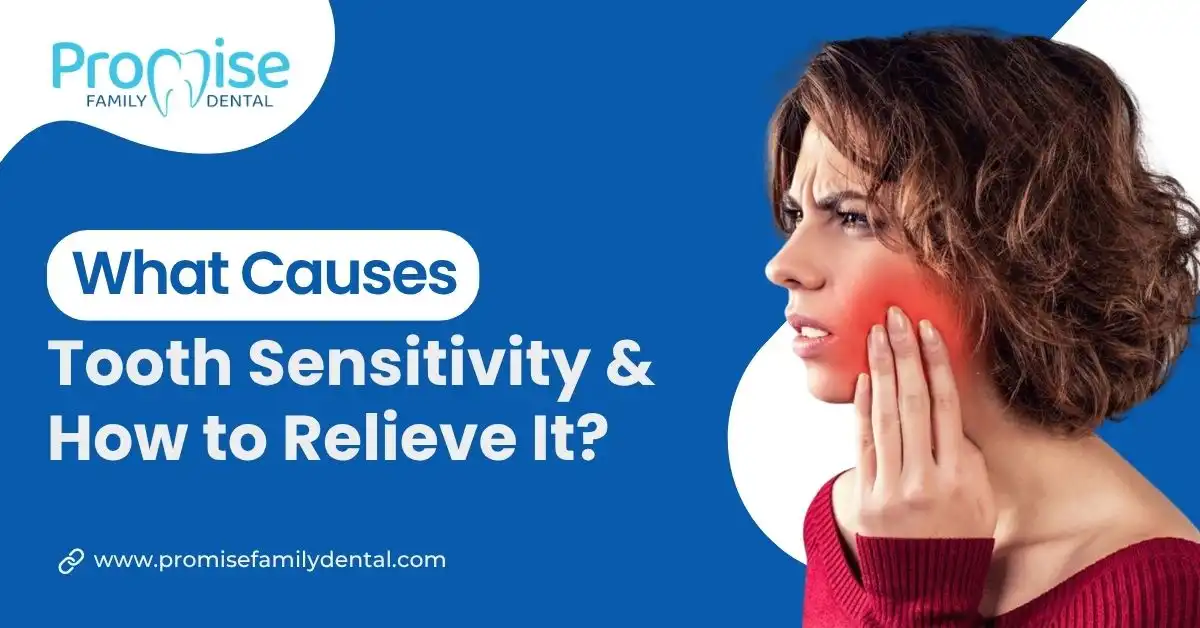
Tooth sensitivity is a common issue that affects many people. It can cause discomfort or pain when eating or drinking hot, cold, or sweet foods. Understanding the causes of tooth sensitivity and how to relieve it can help you manage the condition and improve your oral health.
What is Tooth Sensitivity?
Tooth sensitivity occurs when the underlying layer of your teeth, called the dentin, becomes exposed. This can lead to discomfort or pain when the exposed dentin comes into contact with certain triggers, such as hot or cold temperatures.
For individuals experiencing ongoing discomfort, consulting a dentist in Suffern, ny can help identify the root cause and provide the right treatment for long-term relief.
Common Causes of Tooth Sensitivity
Worn Tooth Enamel
Enamel is the protective outer layer of your teeth. When it wears down due to aging, brushing too hard, or consuming acidic foods and beverages, the underlying dentin is exposed, leading to sensitivity.
Gum Recession
When the gums recede, the tooth roots become exposed, which can cause sensitivity. Gum recession can occur due to gum disease, aggressive brushing, or aging.
Tooth Decay or Cavities
Cavities can cause the tooth to become more sensitive as the decay spreads into the tooth structure, reaching the dentin.
Teeth Grinding (Bruxism)
Grinding your teeth, especially at night, can wear down the enamel and lead to sensitivity.
Recent Dental Procedures
If you've recently had a dental filling, whitening treatment, or cleaning, your teeth may be temporarily sensitive. This sensitivity should subside after a few days.
How to Relieve Tooth Sensitivity
Use Desensitizing Toothpaste
Toothpaste specifically designed for sensitive teeth contains compounds that help block pain signals from reaching the nerves of your teeth.
Avoid Acidic Foods and Beverages
Citrus fruits, soda, and wine can erode tooth enamel. Reducing your intake of acidic foods can help prevent further damage to your teeth.
Use a Soft-Bristled Toothbrush
Brushing too hard can damage enamel and cause gum recession. Switch to a soft-bristled toothbrush and avoid aggressive brushing.
Wear a Mouthguard
If you grind your teeth at night, a custom mouthguard can protect your teeth from the pressure and prevent further enamel damage.
Visit Your Dentist
If sensitivity persists or worsens, consult with your dentist to rule out underlying issues such as cavities or gum disease.
FAQs
Can tooth sensitivity be cured?
While tooth sensitivity may not be completely cured, it can be managed with proper care and treatment.
Is it safe to use desensitizing toothpaste daily?
Yes, desensitizing toothpaste is safe for daily use and can provide long-term relief for sensitive teeth.
Can tooth sensitivity indicate a more serious problem?
Yes, if your sensitivity is severe or persistent, it could be a sign of tooth decay or gum disease, and you should visit your dentist for an evaluation.
Conclusion
Tooth sensitivity is a manageable condition that can be caused by various factors, including worn enamel, gum recession, and tooth decay. By using desensitizing toothpaste, avoiding triggers, and practicing good oral hygiene, you can relieve the discomfort and protect your teeth.
For proper diagnosis and personalized care, Promise Family Dental offers professional dental services to help manage sensitivity and maintain long-term oral health. If sensitivity persists, consulting a dental expert is the best step toward effective treatment.
Article Author

Arobit
Blog Admin
Tags
Latest Posts
-
Smile Contouring: The Fastest, Least-Invasive Way to Refine Your Smile's Shape
-
Implant-Supported Dentures: The Premium, Fixed Alternative to Traditional Removable Dentures
-
Dental Implants in Suffern vs. Dentures vs. Bridges: Which Tooth Replacement Option Is Right for You?
-
Invisalign vs. Traditional Braces: An Honest Comparisons
-
What a "Top Dentist in Suffern" Listing Actually Means — and How to Verify It
Similar Posts
-
Smile Contouring: The Fastest, Least-Invasive Way to Refine Your Smile's Shape
-
Dental Implants in Suffern vs. Dentures vs. Bridges: Which Tooth Replacement Option Is Right for You?
-
What a "Top Dentist in Suffern" Listing Actually Means — and How to Verify It
-
What to Do in the First 30 Minutes of a Dental Emergency (Before You See an Emergency Dentist)
-
Choosing a New Dentist Near Suffern? 10 Things That Matter Alongside a 5-Star Rating


