

Posted On: April 24, 2026
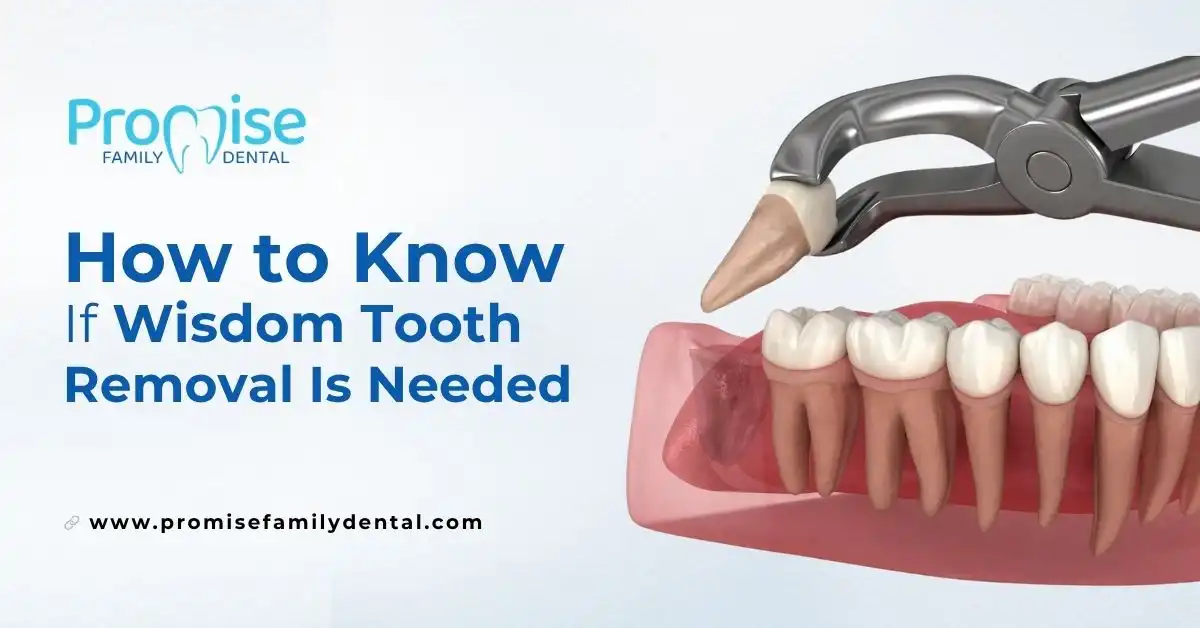
How to Know If Wisdom Tooth Removal Is Needed
Wisdom teeth, also known as third molars, are the last set of teeth to develop—typically appearing in the late teens or early twenties. While some people have no issues with them, others experience discomfort, crowding, or infection that may require wisdom tooth removal.
Understanding when removal is necessary can help prevent complications and protect long-term oral health. This guide explains the common signs, causes, and professional recommendations related to wisdom teeth.
What Are Wisdom Teeth?
Wisdom teeth are located at the back corners of the mouth. Most people have four—two on the top and two on the bottom.
In many cases, modern jaws do not have enough space to accommodate these teeth properly. As a result, they may:
- Grow at an angle
- Remain partially or fully trapped under the gums (impacted)
- Cause pressure on surrounding teeth
When these issues arise, wisdom tooth removal may be recommended.
Common Signs You May Need Wisdom Tooth Removal
Not all wisdom teeth require removal. However, certain symptoms indicate that professional evaluation is necessary.
1. Persistent Pain or Discomfort
Pain in the back of the mouth is one of the most common signs.
You may notice:
- Jaw pain or stiffness
- Headaches linked to jaw pressure
- Pain while chewing
2. Swollen or Bleeding Gums
Inflammation around the wisdom tooth area can signal infection or irritation.
Signs include:
- Red or swollen gums
- Bleeding during brushing
- Tenderness near the back teeth
3. Impacted Wisdom Teeth
Impacted teeth do not fully emerge through the gums and can lead to complications.
Types of impaction:
- Fully impacted (completely under the gum)
- Partially impacted (partially visible)
- Angled or sideways growth
Impacted teeth often require wisdom tooth removal to prevent further problems.
4. Crowding or Shifting Teeth
Wisdom teeth can push against nearby teeth, causing alignment issues.
Possible effects:
- Crowding of front teeth
- Changes in bite alignment
- Disruption of orthodontic results
5. Frequent Infections or Bad Breath
Partially erupted wisdom teeth can trap food and bacteria.
This may lead to:
- Gum infections
- Persistent bad breath
- Unpleasant taste in the mouth
6. Cysts or Damage to Nearby Teeth
In some cases, wisdom teeth can cause more serious issues.
Potential risks include:
- Cyst formation around the tooth
- Damage to adjacent teeth
- Bone loss in the jaw
Professional Evaluation and Diagnosis
A dentist or oral surgeon will assess your condition using:
- Clinical examination
- Dental X-rays
- Evaluation of symptoms and oral health
Patients seeking oral surgery in Suffern, NY should consult experienced professionals who can determine whether removal is necessary and recommend the best approach.
When Removal May Not Be Needed
In some cases, wisdom teeth can remain without causing problems.
Removal may not be required if:
- Teeth are fully erupted and properly aligned
- There is no pain or infection
- They can be cleaned easily
- Surrounding teeth are unaffected
Regular dental check-ups are important to monitor their condition over time.
The Wisdom Tooth Removal Procedure
If removal is recommended, the procedure is typically straightforward and performed under local anesthesia, sedation, or general anesthesia depending on the case.
Steps involved:
- Numbing the area for comfort
- Removing the tooth (simple or surgical extraction)
- Cleaning the site and placing stitches if needed
The procedure is commonly completed in a single visit.
Recovery and Aftercare
Proper aftercare is essential for healing.
Post-procedure care includes:
- Resting for the first 24 hours
- Avoiding hard or hot foods initially
- Keeping the area clean
- Taking prescribed medications if needed
- Avoiding smoking or strenuous activity
Most patients recover within a few days, although complete healing may take a few weeks.
Local Treatment Considerations
Patients looking for wisdom tooth removal in Suffern NY should choose a dental practice with experience in both routine and surgical extractions. A personalized treatment plan helps ensure a safe procedure and smooth recovery.
Benefits of Timely Wisdom Tooth Removal
Removing problematic wisdom teeth at the right time can prevent several complications.
Benefits include:
- Relief from pain and discomfort
- Reduced risk of infection
- Prevention of crowding and alignment issues
- Protection of surrounding teeth
- Improved oral hygiene
Early intervention often leads to simpler procedures and faster recovery.
Conclusion
Wisdom tooth removal is not always necessary, but recognizing the signs early can help prevent discomfort and more serious dental issues. Pain, swelling, infections, and crowding are clear indicators that professional evaluation is needed.
At Promise Family Dental, patients receive thorough assessments and personalized care for wisdom tooth concerns. With a focus on comfort, safety, and long-term oral health, the team ensures that each patient receives the right treatment at the right time.
Frequently Asked Questions
1. At what age should wisdom teeth be removed?
Wisdom teeth are often evaluated in the late teens or early twenties. Removal is recommended if problems are detected, but timing depends on individual conditions.
2. Is wisdom tooth removal painful?
The procedure itself is not painful due to anesthesia. Some discomfort may occur during recovery, which can be managed with medication and proper care.
3. How long does it take to recover?
Initial recovery usually takes 2–3 days, while full healing may take a few weeks depending on the complexity of the extraction.
Article Author

Arobit
Blog Admin
Tags
Latest Posts
-
Smile Contouring: The Fastest, Least-Invasive Way to Refine Your Smile's Shape
-
Implant-Supported Dentures: The Premium, Fixed Alternative to Traditional Removable Dentures
-
Dental Implants in Suffern vs. Dentures vs. Bridges: Which Tooth Replacement Option Is Right for You?
-
Invisalign vs. Traditional Braces: An Honest Comparisons
-

What a "Top Dentist in Suffern" Listing Actually Means — and How to Verify It
Similar Posts
-
Smile Contouring: The Fastest, Least-Invasive Way to Refine Your Smile's Shape
-
Dental Implants in Suffern vs. Dentures vs. Bridges: Which Tooth Replacement Option Is Right for You?
-
What a "Top Dentist in Suffern" Listing Actually Means — and How to Verify It
-
What to Do in the First 30 Minutes of a Dental Emergency (Before You See an Emergency Dentist)
-

Choosing a New Dentist Near Suffern? 10 Things That Matter Alongside a 5-Star Rating


