


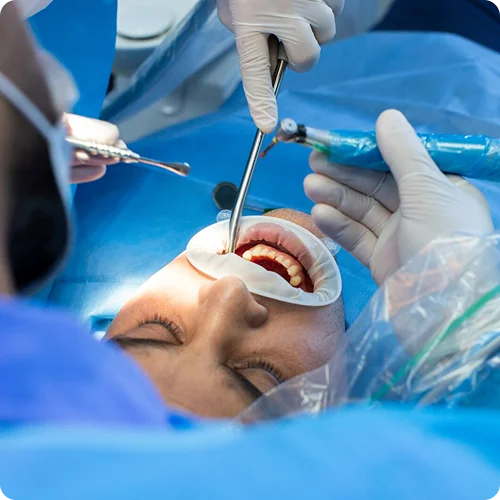
Minor Surgical Dental Procedures in Rockland County
The prospect of oral surgery can understandably cause concern for many patients.
Whether you are dealing with severe tooth pain, an impacted wisdom tooth, infection, or preparing for dental implants, surgical treatment sometimes becomes necessary to restore health and prevent complications.
At Promise Family Dental, we provide carefully planned oral surgery in Suffern, NY, serving patients throughout Rockland County, including Monsey, Airmont, Spring Valley, and surrounding communities.
Every procedure is approached with structured planning, sterile technique, and evidence-based clinical protocols. Our goal is to ensure safety, minimize discomfort, and support predictable healing.
If you are looking for safe, controlled oral surgery in Suffern, early evaluation leads to better outcomes and fewer complications.
What Is Oral Surgery?
Oral surgery involves minor surgical procedures performed within the mouth and jaw to address structural, functional, or infection-related concerns.
Common oral surgery procedures we provide in Suffern include:- Tooth extractions
- Wisdom tooth removal
- Surgical extraction of impacted teeth
- Bone grafting procedures
- Implant site preparation
- Management of dental infections
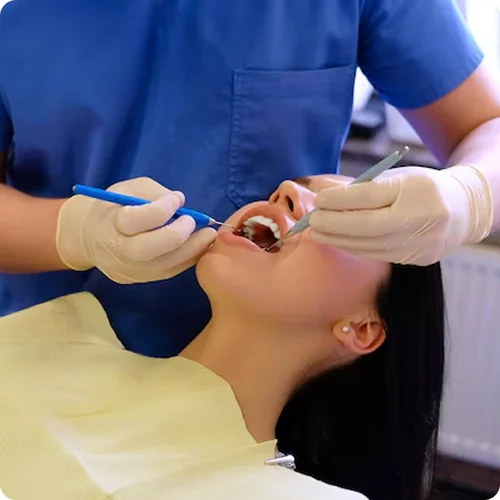
Why Choose Us?

Compassionate Care
Gentle treatment focused on comfort, safety, and trust.

Expert Team
Experienced dentists and Specialists and clinical professionals delivering reliable comprehensive care

Advanced Technology
Modern diagnostic and treatment tools supporting precise, efficient care.

Personalized Treatment Plans
Customized recommendations based on individual oral health goals.

Clean & Hygienic Environment
Strict sterilization protocols and a welcoming clinical setting.

Family-Focused Practice
Complete dental care for children, adults, and seniors under one roof.
When Is Oral Surgery Necessary?

Severely Damaged or Non-Restorable Tooth
Have a tooth that is badly damaged, fractured, or decayed beyond the point where it can be repaired with fillings or crowns.

Recurring Dental Infection
Experience repeated infections or abscesses that continue to return despite previous dental treatments.

Impacted Wisdom Teeth
Have wisdom teeth that are trapped beneath the gums or growing at an angle, causing pain, swelling, or pressure on nearby teeth.

Preparation for Dental Implants
Need surgical preparation such as tooth extraction or site preparation before placing a dental implant.

Bone Loss Requiring Grafting
Have experienced bone loss in the jaw and may require bone grafting to support future restorative treatments.

Persistent Pain or Swelling
Experience ongoing pain, swelling, or inflammation in the gums or jaw that does not resolve with routine dental care.
Benefits of Early Surgical Care

Relieve persistent pain

Eliminate infection

Prevent damage to adjacent teeth

Improve long-term oral stability
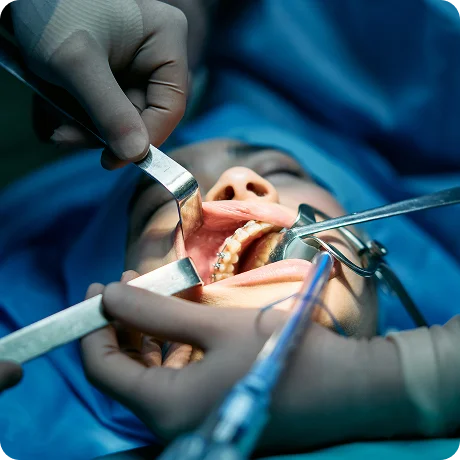
Our Oral Surgery Protocol in Suffern

Pre-Surgical Evaluation
We review medical history, medications, and perform digital imaging to assess anatomy, bone structure, and risk factors.

Treatment Planning
A detailed surgical plan is developed based on diagnostic findings. We explain the procedure clearly so you understand what to expect.

Controlled Surgical Environment
Procedures are performed under sterile conditions using strict infection control protocols and precision techniques.

Post-Operative Monitoring
Clear aftercare instructions are provided, and follow-up appointments ensure proper healing and reduce the risk of complications.
Patient safety and comfort remain the priority at every stage.
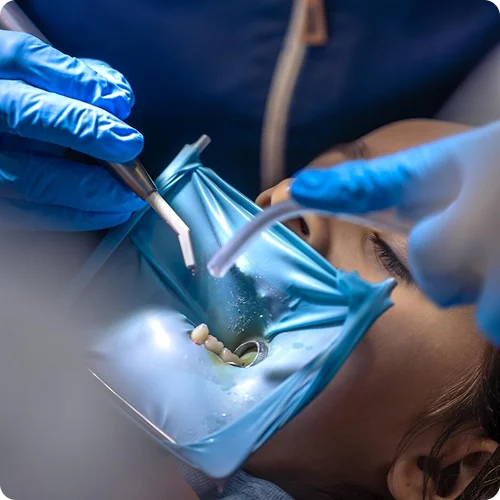
Frequently Asked Questions
Local anesthesia is used to ensure comfort during the procedure. Most patients report pressure rather than pain. Post-operative discomfort is typically manageable with prescribed or recommended medications and proper aftercare.
Recovery time depends on the procedure performed. Simple extractions may heal within a few days, while surgical extractions or bone grafting may require longer healing periods. Individual health and adherence to aftercare instructions also influence recovery.
If only local anesthesia is used, many patients can drive themselves. However, if sedation is provided, you will need someone to accompany you home. We review this in advance of your procedure.
Extraction is recommended when a tooth cannot be preserved through fillings, crowns, or root canal treatment. Severe decay, fracture, or infection may make removal the safest option.
Impacted wisdom teeth are teeth that fail to fully erupt or grow at an improper angle. They can cause pain, swelling, infection, or damage to neighboring teeth if not addressed.
Bone grafting is a procedure used to rebuild or strengthen jawbone structure. It is often performed before dental implant placement when bone volume is insufficient.
When performed under proper clinical protocols with appropriate evaluation, oral surgery is considered predictable and safe. Careful planning significantly reduces risk.
Antibiotics may be prescribed depending on the presence of infection or individual medical considerations. Not all procedures require antibiotics.
Many patients return to normal activities within a day or two after minor procedures. More complex surgeries may require additional rest. We provide individualized recommendations.
You can call our office directly or request an appointment online. During your consultation, we evaluate your condition, review imaging, and discuss treatment options clearly.


