

Posted On: April 21, 2026
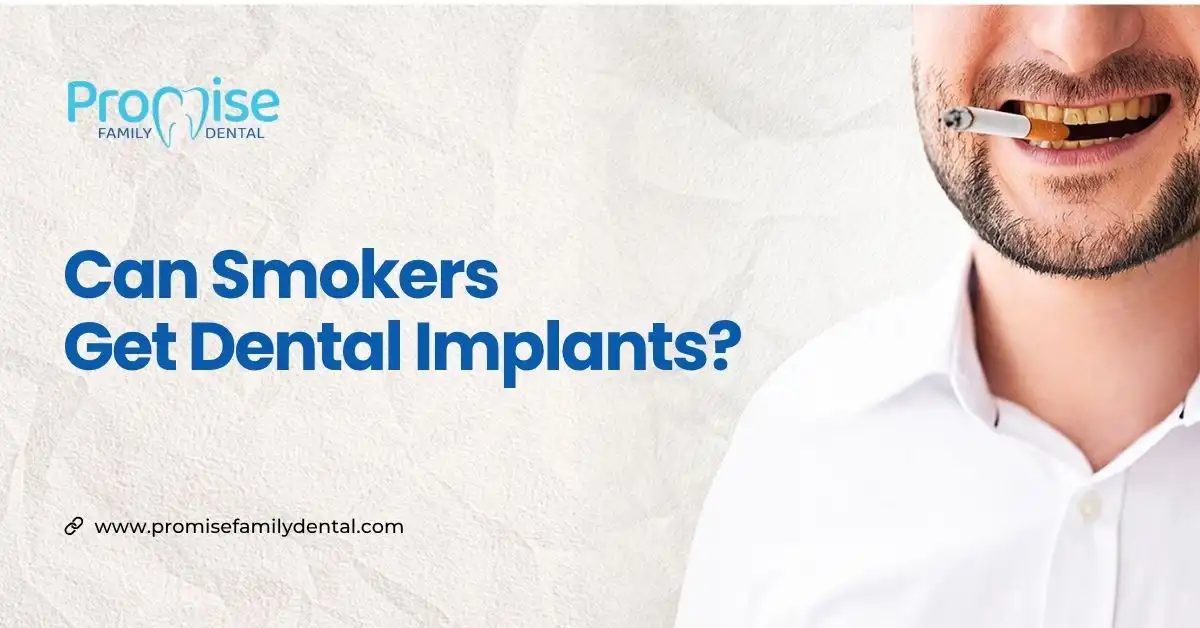
Can Smokers Get Dental Implants?
Dental implants are a reliable solution for replacing missing teeth, offering durability, stability, and a natural appearance. However, many patients who smoke often ask whether they are suitable candidates for this treatment. The short answer is yes—smokers can get a dental implant, but there are important considerations that can affect the success of the procedure.
Understanding Dental Implants
A dental implant is a small titanium post placed into the jawbone to replace the root of a missing tooth. It supports a crown, bridge, or denture and is designed to function like a natural tooth.
Key benefits include:
- Long-term tooth replacement solution
- Improved chewing and speech
- Preservation of jawbone structure
- Natural look and feel
How Smoking Affects Dental Implants
Smoking has a direct impact on oral health and healing. It can interfere with the success of implant procedures in several ways:
- Reduced blood flow: Smoking limits oxygen supply, slowing down healing after surgery
- Higher infection risk: Smokers are more prone to infections around the implant site
- Delayed osseointegration: This is the process where the implant fuses with the bone
- Increased risk of implant failure: Studies show higher failure rates among smokers compared to non-smokers
Because of these factors, dentists often evaluate smoking habits before recommending treatment.
Can Smokers Still Get Dental Implants?
Yes, smokers can still receive dental implants. However, success depends on proper planning and patient cooperation.
Dentists may recommend:
- Reducing or stopping smoking before and after surgery
- Maintaining excellent oral hygiene
- Attending regular follow-up appointments
- Following all post-operative care instructions carefully
Patients who are willing to make temporary or permanent changes to their smoking habits generally experience better outcomes.
Candidacy Evaluation for Smokers
Before proceeding, a dentist will assess several factors to determine suitability:
- Overall oral health
- Bone density in the jaw
- Gum condition (presence of gum disease)
- Smoking frequency and duration
In some cases, additional procedures such as bone grafting or periodontal treatment may be required to improve success rates.
Treatment Consideration in Suffern
Patients looking for dental implant in Suffern should consult with an experienced dental team that understands the challenges associated with smoking. A personalized treatment plan ensures that risks are minimized and long-term results are improved.
Tips to Improve Implant Success for Smokers
If you smoke and are considering dental implants, the following steps can significantly improve outcomes:
- Stop smoking at least 1–2 weeks before surgery
- Avoid smoking for several weeks after the procedure
- Maintain proper oral hygiene (brushing, flossing, rinsing)
- Follow your dentist’s instructions strictly
- Schedule regular dental check-ups
Even reducing smoking frequency can make a noticeable difference in healing and implant stability.
Why Dental Implants Are Still Worth Considering
Despite the risks, dental implants remain one of the most effective options for replacing missing teeth.
For patients seeking permanent tooth replacement in Rockland County, implants offer:
- A fixed and stable solution compared to removable dentures
- Improved confidence in daily activities like eating and speaking
- Long-term oral health benefits
With proper care and guidance, many smokers successfully maintain their implants for years.
Conclusion
Smokers can get dental implants, but success depends on careful planning, proper care, and lifestyle adjustments. Understanding the risks and working closely with an experienced dental team can help achieve positive outcomes.
At Promise Family Dental, patients receive personalized care tailored to their needs, including those with a history of smoking. The team focuses on safe procedures, patient education, and long-term oral health, making it easier for individuals to restore their smiles with confidence.
Frequently Asked Questions
1. Do I need to quit smoking completely before getting dental implants?
Not always, but quitting or reducing smoking significantly improves healing and reduces the risk of implant failure. Your dentist will guide you based on your condition.
2. What happens if I smoke after implant surgery?
Smoking after surgery can delay healing, increase infection risk, and affect how well the implant integrates with the bone. It is strongly advised to avoid smoking during the healing phase.
3. Are there alternatives if implants are not suitable for smokers?
Yes, alternatives include dental bridges or dentures. However, implants are often preferred due to their stability and long-term benefits.
Article Author

Arobit
Blog Admin
Tags
Latest Posts
-
Smile Contouring: The Fastest, Least-Invasive Way to Refine Your Smile's Shape
-
Implant-Supported Dentures: The Premium, Fixed Alternative to Traditional Removable Dentures
-
Dental Implants in Suffern vs. Dentures vs. Bridges: Which Tooth Replacement Option Is Right for You?
-
Invisalign vs. Traditional Braces: An Honest Comparisons
-
What a "Top Dentist in Suffern" Listing Actually Means — and How to Verify It
Similar Posts
-
Smile Contouring: The Fastest, Least-Invasive Way to Refine Your Smile's Shape
-
Dental Implants in Suffern vs. Dentures vs. Bridges: Which Tooth Replacement Option Is Right for You?
-
What a "Top Dentist in Suffern" Listing Actually Means — and How to Verify It
-
What to Do in the First 30 Minutes of a Dental Emergency (Before You See an Emergency Dentist)
-
Choosing a New Dentist Near Suffern? 10 Things That Matter Alongside a 5-Star Rating


