

Posted On: April 28, 2026
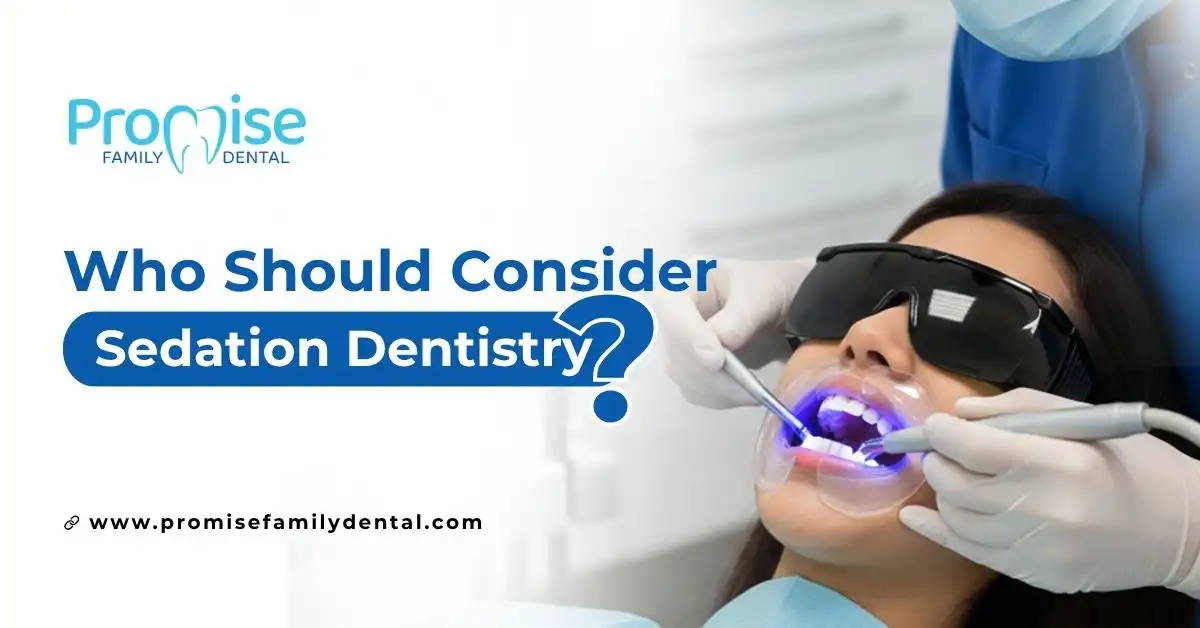
Who Should Consider Sedation Dentistry?
Dental visits can feel stressful for many people. While routine care is important for maintaining oral health, anxiety, fear, or discomfort often prevents patients from seeking timely treatment. This is where sedation dentistry can help. It offers a safe and effective way to make dental procedures more comfortable and manageable.
This blog explains who should consider sedation dentistry, how it works, and why it can be a practical solution for patients with specific needs.
What Is Sedation Dentistry?
Sedation dentistry involves the use of medication to help patients relax during dental procedures. Depending on the level of anxiety and the type of treatment, different forms of sedation may be used.
Common types include:
- Oral sedation: Medication taken before the appointment
- Nitrous oxide (laughing gas): Helps patients feel calm during treatment
- IV sedation: Administered through a vein for deeper relaxation
Patients remain conscious in most cases but feel significantly more relaxed and less aware of the procedure.
Who Should Consider Sedation Dentistry?
Not every patient needs sedation, but it is highly beneficial for certain groups.
1. Patients with Dental Anxiety or Fear
Fear of dental procedures is one of the most common reasons people avoid treatment.
Signs include:
- Nervousness before appointments
- Trouble sleeping the night before a visit
- Panic or discomfort in the dental chair
Sedation dentistry helps reduce anxiety, allowing patients to receive care without distress.
2. Individuals with a Low Pain Tolerance
Some patients are more sensitive to pain or discomfort.
Sedation can:
- Reduce sensitivity during procedures
- Make longer treatments more tolerable
- Improve overall comfort
3. Patients Undergoing Complex or Lengthy Procedures
Procedures such as dental implants, oral surgery, or multiple treatments in one visit can take time.
Benefits of sedation in these cases:
- Helps patients stay relaxed throughout the procedure
- Allows dentists to work more efficiently
- Reduces the need for multiple appointments
4. People with a Strong Gag Reflex
A sensitive gag reflex can make dental procedures difficult.
Sedation helps by:
- Relaxing throat muscles
- Minimizing discomfort during treatment
5. Patients with Special Needs or Medical Conditions
Patients with certain physical or cognitive conditions may find it difficult to sit still for long periods.
Sedation can:
- Provide a calmer experience
- Ensure safe and effective treatment
6. Individuals with Past Traumatic Dental Experiences
Previous negative experiences can create long-term fear of dental visits.
Sedation dentistry allows patients to:
- Rebuild trust with dental care
- Receive treatment in a more relaxed environment
Understanding IV Sedation
For patients requiring a deeper level of relaxation, IV sedation is often recommended. It works quickly and allows the dentist to adjust the level of sedation during the procedure.
Patients considering IV sedation dentistry in Suffern, NY can expect:
- A controlled and monitored sedation process
- Reduced awareness of the procedure
- Little to no memory of the treatment afterward
This option is particularly useful for surgical or complex dental treatments.
Benefits of Sedation Dentistry
Sedation dentistry provides several advantages that improve the overall dental experience:
- Reduced anxiety and fear
- Improved comfort during procedures
- Ability to complete multiple treatments in one visit
- Less movement, allowing precise dental work
- Better overall patient experience
These benefits make it easier for patients to maintain regular dental care without stress.
Safety and Professional Care
Sedation dentistry is considered safe when administered by trained professionals. Dentists evaluate each patient’s medical history and current health before recommending sedation.
Safety measures include:
- Monitoring vital signs during the procedure
- Adjusting sedation levels as needed
- Providing clear pre- and post-treatment instructions
Patients are always guided throughout the process to ensure comfort and safety.
Local Care and Accessibility
Patients looking for sedation dentistry in Rockland County have access to advanced care options designed to meet different comfort levels. Choosing a clinic with experience in sedation techniques ensures better outcomes and a smoother experience.
Preparing for Sedation Dentistry
Before undergoing sedation, patients may need to follow specific guidelines:
- Avoid eating or drinking for a few hours before the procedure
- Arrange transportation, especially for IV sedation
- Inform the dentist about medications and medical history
- Follow all pre-procedure instructions carefully
Proper preparation helps ensure a safe and effective treatment.
Is Sedation Dentistry Right for You?
If dental visits cause stress, discomfort, or avoidance, sedation dentistry may be a suitable option. It allows patients to receive necessary treatments without fear, improving both oral health and overall well-being.
Discussing your concerns with a qualified dental professional is the best way to determine the right approach for your needs.
Conclusion
Sedation dentistry plays an important role in making dental care accessible and comfortable for a wide range of patients. From those with anxiety to individuals undergoing complex procedures, it offers a practical solution to reduce stress and improve treatment experiences.
At Promise Family Dental, patients receive personalized care with a focus on comfort and safety. The team understands that every patient is different and provides tailored sedation options to ensure a calm and positive dental experience.
Frequently Asked Questions
1. Is sedation dentistry safe for everyone?
Sedation dentistry is generally safe for most patients. However, suitability depends on medical history, current health, and the type of sedation used. A thorough evaluation is always done before treatment.
2. Will I be asleep during sedation dentistry?
In most cases, patients remain awake but feel very relaxed. With IV sedation, patients may feel drowsy and have little memory of the procedure.
3. How long does it take to recover after sedation?
Recovery time depends on the type of sedation used. Mild sedation wears off quickly, while IV sedation may require a few hours of rest. Patients are usually advised not to drive immediately after the procedure.
Article Author

Arobit
Blog Admin
Tags
Latest Posts
-

Smile Contouring: The Fastest, Least-Invasive Way to Refine Your Smile's Shape
-
Implant-Supported Dentures: The Premium, Fixed Alternative to Traditional Removable Dentures
-
Dental Implants in Suffern vs. Dentures vs. Bridges: Which Tooth Replacement Option Is Right for You?
-
Invisalign vs. Traditional Braces: An Honest Comparisons
-
What a "Top Dentist in Suffern" Listing Actually Means — and How to Verify It
Similar Posts
-
Smile Contouring: The Fastest, Least-Invasive Way to Refine Your Smile's Shape
-
Dental Implants in Suffern vs. Dentures vs. Bridges: Which Tooth Replacement Option Is Right for You?
-
What a "Top Dentist in Suffern" Listing Actually Means — and How to Verify It
-
What to Do in the First 30 Minutes of a Dental Emergency (Before You See an Emergency Dentist)
-

Choosing a New Dentist Near Suffern? 10 Things That Matter Alongside a 5-Star Rating


