
Posted On: July 01, 2026
How Laser Bacterial Reduction Therapy Improves Routine Dental Cleanings and Helps Prevent Gum Disease
Healthy gums are the foundation of a healthy smile. While brushing, flossing, and regular professional cleanings play an important role in maintaining good oral health, they may not eliminate every harmful bacterium hiding beneath the gumline. These bacteria can collect in the small spaces between the teeth and gums, increasing the risk of inflammation and infection over time.
This is where laser bacterial reduction therapy can make a meaningful difference. As an additional step during a routine dental hygiene visit, this gentle treatment helps reduce harmful bacteria in the gum pockets before they have an opportunity to contribute to gum disease. When combined with regular preventive care, it supports healthier gums and helps patients maintain better oral health for years to come.
Whether you're scheduling a routine cleaning or visiting a dentist in Suffern, NY for concerns about your gums, understanding how this treatment works can help you make informed decisions about your dental care.
What Is Laser Bacterial Reduction Therapy?
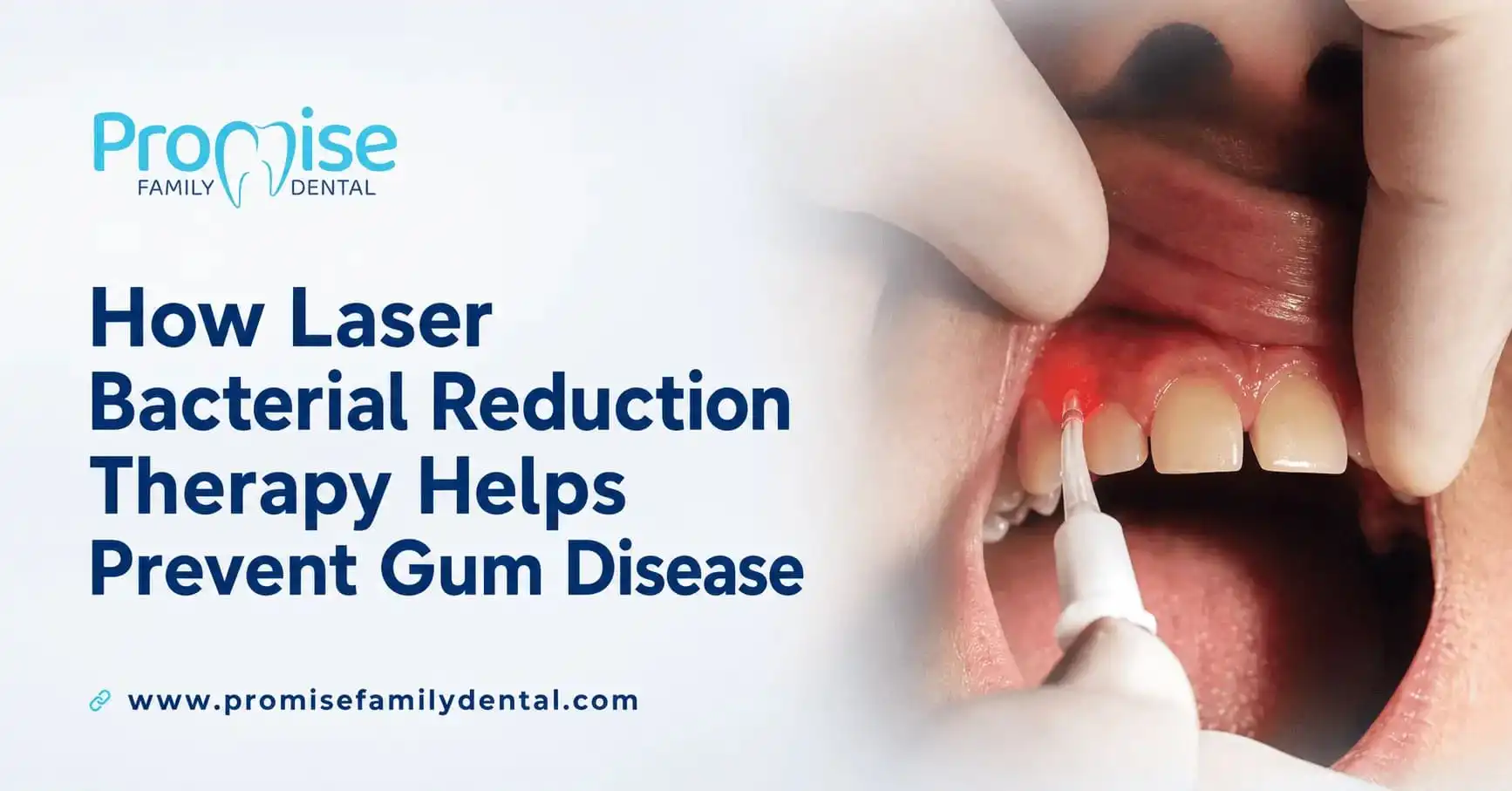
Laser bacterial reduction therapy—often referred to as Laser Bacterial Reduction (LBR)—is a preventive dental procedure that uses a non-cutting dental laser to reduce harmful bacteria found within the gum pockets surrounding the teeth.
Unlike a professional cleaning, which focuses on removing plaque and tartar from the surfaces of the teeth, laser bacterial reduction therapy is designed to reduce bacteria that remain below the gumline. The laser is carefully directed into the gum pockets, where it helps decrease bacterial levels without cutting the gums or damaging healthy tissue.
As more dental practices continue to emphasize preventive care, laser bacterial reduction has become a valuable addition to many routine hygiene appointments, particularly for patients who are prone to gum inflammation or who have a history of periodontal concerns.
Why Harmful Oral Bacteria Shouldn't Be Ignored
Our mouths naturally contain many different types of bacteria. While many are harmless, others can contribute to oral health problems when allowed to multiply.
When plaque is not completely removed, bacteria can collect around the gumline and gradually move beneath the gums. This may lead to the formation of deeper gum pockets, making it even easier for bacteria to thrive.
In its earliest stage, this bacterial buildup may cause gingivitis, a mild form of gum inflammation characterized by redness, tenderness, and bleeding while brushing or flossing. Without proper care, gingivitis can progress into periodontal disease, a more advanced condition that may affect the tissues and bone supporting the teeth.
Maintaining healthy gums isn't only important for your smile. A healthy mouth supports overall wellness, which is why reducing harmful bacteria is an essential part of preventive dental care.
How Laser Bacterial Reduction Therapy Works
One reason many patients appreciate laser bacterial reduction therapy is that it is quick, comfortable, and minimally invasive.
Here's what typically happens during the appointment:
- Your dentist or hygienist performs a dental examination and evaluates your gums.
- During your regular dental hygiene appointment, the gum tissue is carefully assessed.
- A specialized non-cutting dental laser is gently directed into the gum pockets surrounding each tooth.
- The laser helps with oral bacteria removal by reducing harmful bacteria beneath the gumline.
- Once the laser treatment is complete, your professional dental cleaning continues to remove plaque and tartar from the teeth.
- Because there is no cutting, drilling, or stitches, the gums are able to recover naturally following the procedure.
Many patients find that the process adds only a few minutes to their cleaning appointment while providing additional support for gum health.
Benefits of Laser Bacterial Reduction Therapy
Adding laser bacterial reduction therapy to preventive dental care may offer several advantages.
- Helps reduce harmful bacteria below the gumline
- Supports healthier gums
- May help decrease gum bleeding associated with inflammation
- Helps reduce gum inflammation
- Comfortable compared with more invasive periodontal procedures
- Supports natural healing after professional cleaning
- Contributes to gum disease prevention
- May help reduce the progression of periodontal disease when recommended by a dental professional
- Complements routine cleanings without replacing them
- Suitable for preventive care as well as periodontal maintenance in appropriate patients
Every patient has different oral health needs, so your dental provider will determine whether this treatment is appropriate for your individual situation.
Who Can Benefit from Laser Bacterial Reduction Therapy?
Many patients may benefit from laser bacterial reduction therapy, especially those who are focused on maintaining healthy gums.
This treatment may be recommended for:
- Patients experiencing early signs of gingivitis treatment needs
- Individuals with mild gum inflammation
- Patients receiving periodontal maintenance
- People with bleeding gums during brushing or flossing
- Individuals who are prone to plaque buildup
- Adults seeking additional preventive dental care
- Patients interested in maintaining long-term gum health
Your dentist will evaluate your gums and discuss whether this treatment is a suitable addition to your preventive care plan.
What to Expect During Your Appointment
Knowing what happens during the visit can help patients feel more comfortable.
A typical appointment includes:
- A comprehensive dental examination
- Careful gum assessment
- Laser bacterial reduction using a gentle, non-cutting laser
- Professional dental cleaning
- Personalized oral hygiene recommendations
- Post-treatment instructions if needed
Most patients are able to return to their normal daily activities immediately after the appointment. Since there are no incisions or stitches, recovery is generally straightforward.
If you're looking for a dentist in suffern, ny who emphasizes preventive care, discussing this treatment during your next hygiene visit may be worthwhile.
Is Laser Bacterial Reduction Therapy Safe?
Dental lasers have become an important part of modern clinical practice for many procedures, including certain preventive and periodontal treatments.
When performed by trained dental professionals, laser bacterial reduction therapy is considered a minimally invasive procedure. The treatment does not involve cutting the gums, drilling, or sutures, and many patients experience little to no discomfort during the process.
As with any dental procedure, your provider will evaluate your oral health and determine whether this treatment is appropriate based on your individual needs and medical history.
Laser Bacterial Reduction Therapy vs. Traditional Dental Cleaning
It's important to understand that these treatments work together rather than replace one another. Professional cleanings remain essential, while laser therapy provides additional support by addressing bacteria beneath the gumline.
Tips to Maintain Healthy Gums Between Dental Visits
Healthy habits at home remain one of the best ways to support your dental care.
- Brush your teeth twice every day using fluoride toothpaste.
- Floss daily to clean between the teeth.
- Use an antimicrobial mouthwash if recommended by your dental provider.
- Attend every scheduled dental checkup and cleaning.
- Don't ignore bleeding gums or persistent tenderness.
- Eat a balanced diet that supports oral health.
- Avoid tobacco products, which can increase the risk of gum disease.
- Follow your dentist's recommendations regarding laser gum therapy if it is appropriate for your oral health needs.
Conclusion
Keeping harmful bacteria under control is an important part of maintaining healthy gums and protecting your long-term oral health. While daily brushing, flossing, and regular professional cleanings remain essential, laser bacterial reduction therapy offers additional support by reducing bacteria that can remain beneath the gumline.
For patients who are concerned about gum inflammation or want to strengthen their preventive care routine, this treatment can be a valuable addition when recommended by a dental professional. At Promise Family Dental, our team is committed to providing personalized preventive care focused on patient comfort, healthy smiles, and long-term oral wellness.
If you're due for your next dental examination or cleaning, schedule an appointment with our team to learn whether laser bacterial reduction therapy is the right choice for your oral health.
Frequently Asked Questions
What is laser bacterial reduction therapy?
Laser bacterial reduction therapy is a preventive dental procedure that uses a non-cutting laser to reduce harmful bacteria within the gum pockets during or before a professional dental cleaning. It complements routine hygiene visits by supporting healthier gums.
Is laser bacterial reduction painful?
Most patients find the procedure comfortable because it does not involve cutting, drilling, or stitches. Your dental team will explain what to expect before treatment.
How long does the procedure take?
The treatment is usually completed during your regular cleaning appointment and generally requires only a few additional minutes.
Can laser bacterial reduction help with gingivitis?
For patients with early gum inflammation, reducing harmful bacteria may support gingivitis treatment as part of a comprehensive preventive care plan recommended by a dental professional.
Is laser bacterial reduction included with every dental cleaning?
Not necessarily. Your dentist or dental hygienist will determine whether the procedure is appropriate based on your gum health, medical history, and individual treatment needs.
Article Author

Arobit
Blog Admin
Tags
Latest Posts
-
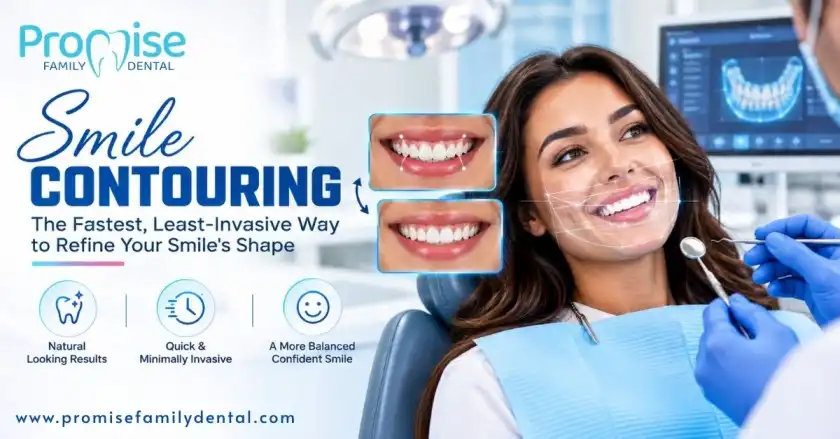
Smile Contouring: The Fastest, Least-Invasive Way to Refine Your Smile's Shape
-
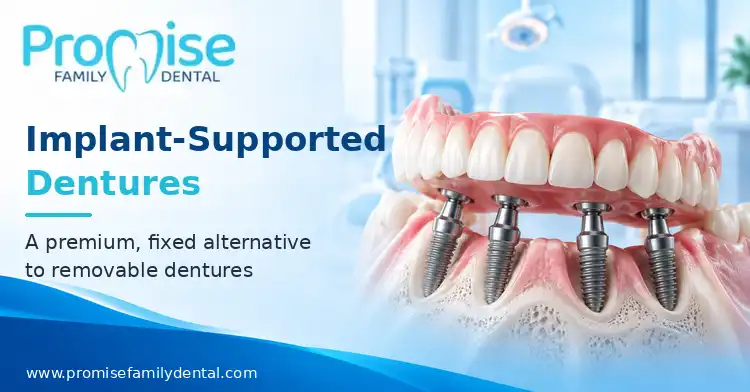
Implant-Supported Dentures: The Premium, Fixed Alternative to Traditional Removable Dentures
-
Dental Implants in Suffern vs. Dentures vs. Bridges: Which Tooth Replacement Option Is Right for You?
-
Invisalign vs. Traditional Braces: An Honest Comparisons
-
What a "Top Dentist in Suffern" Listing Actually Means — and How to Verify It
Similar Posts
-
Smile Contouring: The Fastest, Least-Invasive Way to Refine Your Smile's Shape
-
Dental Implants in Suffern vs. Dentures vs. Bridges: Which Tooth Replacement Option Is Right for You?
-
What a "Top Dentist in Suffern" Listing Actually Means — and How to Verify It
-
What to Do in the First 30 Minutes of a Dental Emergency (Before You See an Emergency Dentist)
-
Choosing a New Dentist Near Suffern? 10 Things That Matter Alongside a 5-Star Rating


