

Posted On: August 26, 2026
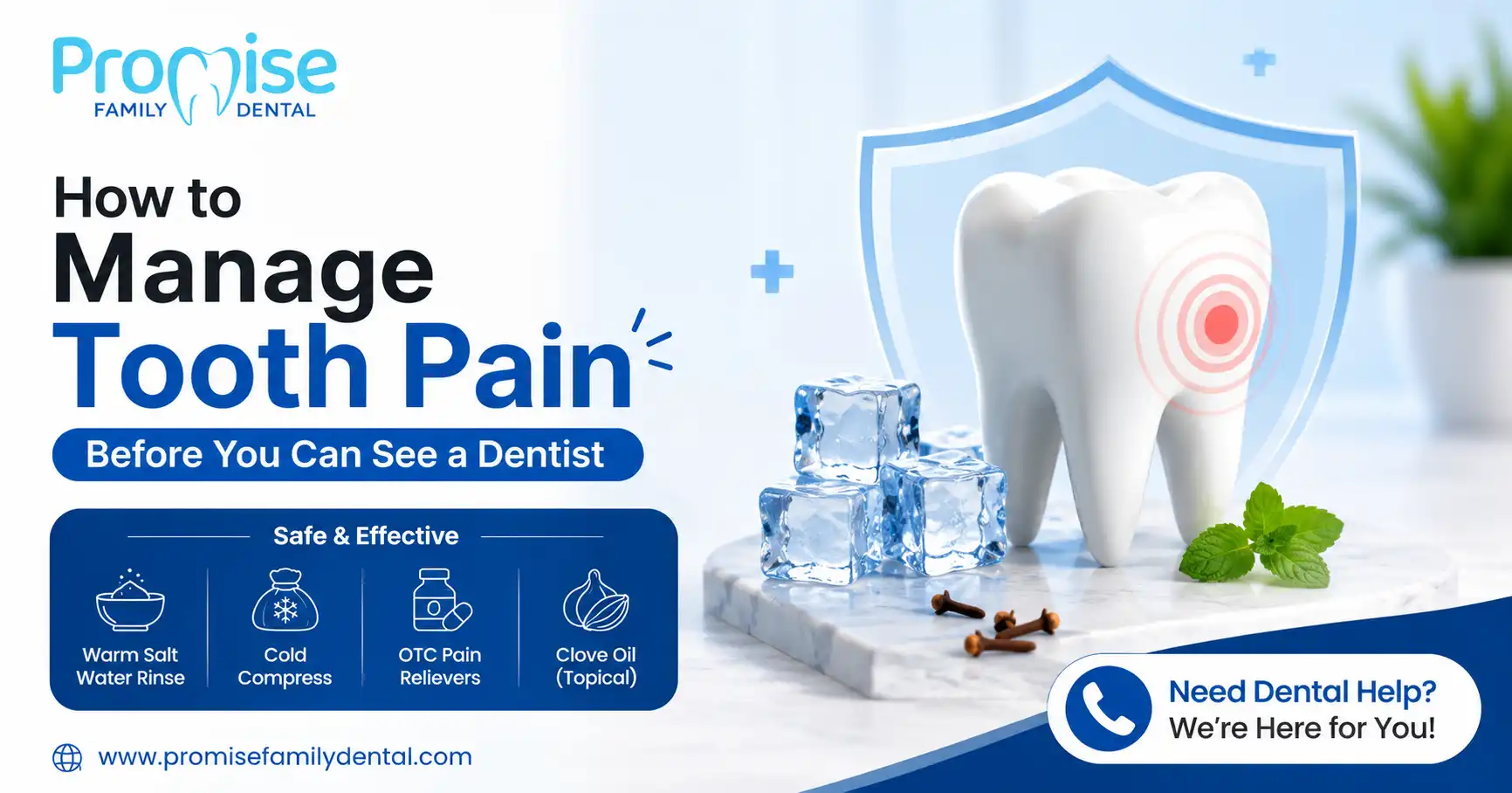
Tooth Pain Relief: How to Manage a Toothache Before You Can See a Dentist
A toothache has a way of arriving at the worst possible moment, on a weekend, late at night, or right before a busy day. When you cannot get to the dentist immediately, the right steps can ease the discomfort and protect the tooth until your appointment. This guide from Promise Family Dental in Suffern covers safe, dentist-approved tooth pain relief you can use at home in 2026, what to avoid, and the warning signs that mean you should be seen right away.
One thing to keep in mind from the start: home care can calm the pain, but it does not fix the cause. Think of these measures as a bridge to professional care, not a replacement for it. If your pain is severe or lingers, call our Suffern office at (845) 356-8844.
Why Tooth Pain Happens and Why It Shouldn't Be Ignored
Tooth pain is your body's way of signaling that something needs attention. Common causes include decay, a cracked tooth, an exposed root, gum irritation, a lost filling, or an infection. Some of these are minor and some are serious, and it is not always easy to tell them apart from home.
That uncertainty is exactly why lingering pain deserves a professional look. Home tooth pain relief can buy comfort, but only a dentist can find and treat the source. The sooner the cause is identified, the simpler the treatment usually is.
According to the American Dental Association, home measures may ease a toothache temporarily, but persistent or severe pain should be evaluated by a dentist to treat the underlying cause.
Source: American Dental Association, MouthHealthy
Safe Tooth Pain Relief You Can Try at Home
The following tooth pain relief steps are gentle, widely recommended, and safe for most people when used carefully. They aim to reduce pain and swelling and keep the area clean while you wait to be seen.
Rinse with warm salt water
A warm salt-water rinse is one of the simplest and safest options. Dissolve about half a teaspoon of salt in a glass of warm water, swish gently for around 30 seconds, then spit it out. Repeat a few times a day.
Salt water helps loosen trapped debris, calm irritated gums, and reduce bacteria. Do not swallow the mixture.
Apply a cold compress
Cold helps numb the area and lower swelling. Wrap an ice pack or a bag of ice in a thin cloth and hold it against the outside of your cheek near the sore tooth. Use it for about 15 minutes on and 15 minutes off. Never place ice directly inside your mouth or against the tooth.
Use over-the-counter pain relief as directed
Over-the-counter pain relievers such as ibuprofen or acetaminophen can offer meaningful tooth pain relief. Always follow the directions on the package, and check with a pharmacist if you are unsure, take other medications, or are treating a child. If one product is not suitable for you, a pharmacist can help you choose a safe alternative.
Gently clean around the tooth
Sometimes a toothache is caused by food trapped between teeth. Brush gently and carefully floss around the sore tooth to remove any debris. Be gentle, since the area may be tender, and stop if flossing sharply increases the pain.
Adjust how you eat and sleep
Until you are seen, chew on the opposite side and avoid very hot, cold, sweet, or hard foods that can trigger pain. At night, prop your head up with an extra pillow. Keeping your head slightly elevated can reduce the throbbing that often feels worse when you lie flat.
Try clove oil with care
Clove oil contains eugenol, a natural compound with mild numbing properties. If you choose to use it, place a small amount of diluted clove oil on a cotton ball and dab it gently on the sore area. Use it sparingly, keep it away from young children, and stop if it causes any irritation.
What to Avoid When You Have Tooth Pain
Some popular tooth pain relief ideas do more harm than good. Steer clear of the following while you wait for care:
- Do not place aspirin directly on the gum or tooth. It can cause a painful chemical burn of the soft tissue. Swallow pain relievers as directed instead.
- Do not apply heat to a swollen area. If an infection is present, heat can help it spread and make swelling worse. Use a cold compress instead.
- Do not press raw garlic against the tooth. It can irritate or burn the gum and does not reach the source of the problem.
- Do not ignore the pain. Masking a toothache for days without a diagnosis lets the underlying issue progress.
When Tooth Pain Means You Should Call an Emergency Dentist
Home tooth pain relief has real limits. Certain symptoms signal a problem that should not wait for a routine visit. Contact an emergency dentist promptly if you notice any of the following:
- Pain that lasts more than a day or two, or is severe and not eased by over-the-counter relief
- Swelling of the face, cheek, or gums
- Fever, a bad taste in the mouth, or discharge near the tooth
- Pain that spreads to your ear, jaw, or neck
- A knocked-out, broken, or loose tooth
These can be signs of infection or injury that need prompt treatment. In the rare event of trouble breathing or swallowing, or swelling that spreads toward the neck or eye, treat it as a medical emergency and call 911 or go to the nearest emergency room. Otherwise, calling an emergency dentist is the fastest route to lasting relief, because only a dentist can treat the cause.
A Real-World Example from Suffern
Consider a common weekend scenario. A parent in Airmont develops a dull ache on Saturday that sharpens by evening. Rather than waiting anxiously, they rinse with warm salt water, apply a cold compress, and take an over-the-counter pain reliever as directed on the label.
The steps make the evening manageable, and they call the office first thing to be seen. Because they controlled the pain safely and did not delay professional care, a small cavity was treated before it became a bigger problem. That balance, safe tooth pain relief now and a prompt appointment, is exactly the goal.
How to Prevent Tooth Pain in the Future
The best tooth pain relief is preventing the ache in the first place. A few consistent habits protect your whole family across Suffern, Airmont, Monsey, and the rest of Rockland County.
- Brush twice a day and floss once a day to remove plaque.
- Limit sugary snacks and drinks, which feed decay.
- Wear a custom mouthguard for contact sports and for nighttime grinding.
- Keep regular checkups so small problems are caught early, before they hurt.
Frequently Asked Questions
What is the fastest way to relieve tooth pain at home?
For quick tooth pain relief, rinse with warm salt water, apply a cold compress to the outside of your cheek, and take an over-the-counter pain reliever as directed. These steps ease discomfort temporarily, but they do not treat the cause, so schedule a dental visit as soon as you can.
When should I see a dentist for tooth pain?
See a dentist if the pain lasts more than a day or two, is severe, or comes with swelling, fever, or a bad taste in your mouth. These can be signs of infection that will not clear on its own. Pain that keeps you up at night also deserves a prompt call.
Is it safe to put aspirin directly on a sore tooth?
No. Placing aspirin against the gum or tooth can cause a chemical burn of the soft tissue and will not relieve the pain. If you use aspirin or another pain reliever, swallow it as directed on the package instead.
Find Lasting Relief with Promise Family Dental
A toothache is stressful, but a few safe steps can carry you through until you are seen. Remember the essentials of at-home tooth pain relief: rinse with warm salt water, use a cold compress, take over-the-counter medicine as directed, and avoid the remedies that cause harm. Above all, do not wait out pain that is severe or lingering.
Promise Family Dental provides gentle, prompt care for children, adults, and seniors throughout Suffern and Rockland County. Our team focuses on comfort, clear guidance, and treating the true source of your pain, so relief lasts well beyond the first day.
If a toothache is troubling you or your family, call our Suffern dental office at (845) 356-8844 for prompt tooth pain relief, or request an appointment online.
Clinically reviewed by: Dr. Jacob John, DDS, Doctor of Dental Surgery, NYU College of Dentistry, with nearly two decades of clinical experience at Promise Family Dental in Suffern, NY. Last reviewed: August 2026.
This article offers general information about managing tooth pain and is not a substitute for professional evaluation. For advice about your specific situation, please contact Promise Family Dental or, in a life-threatening emergency, call 911.
Authoritative references: American Dental Association (MouthHealthy) toothache guidance and the Cleveland Clinic toothache overview.
Article Author

Arobit
Blog Admin
Tags
Latest Posts
-
5 Signs an Emergency Dental Clinic in Suffern Is Actually Equipped to Handle Same-Day Care
-
Why Personalized Preventive Dental Care in Suffern Beats a Generic Six-Month Checkup
-
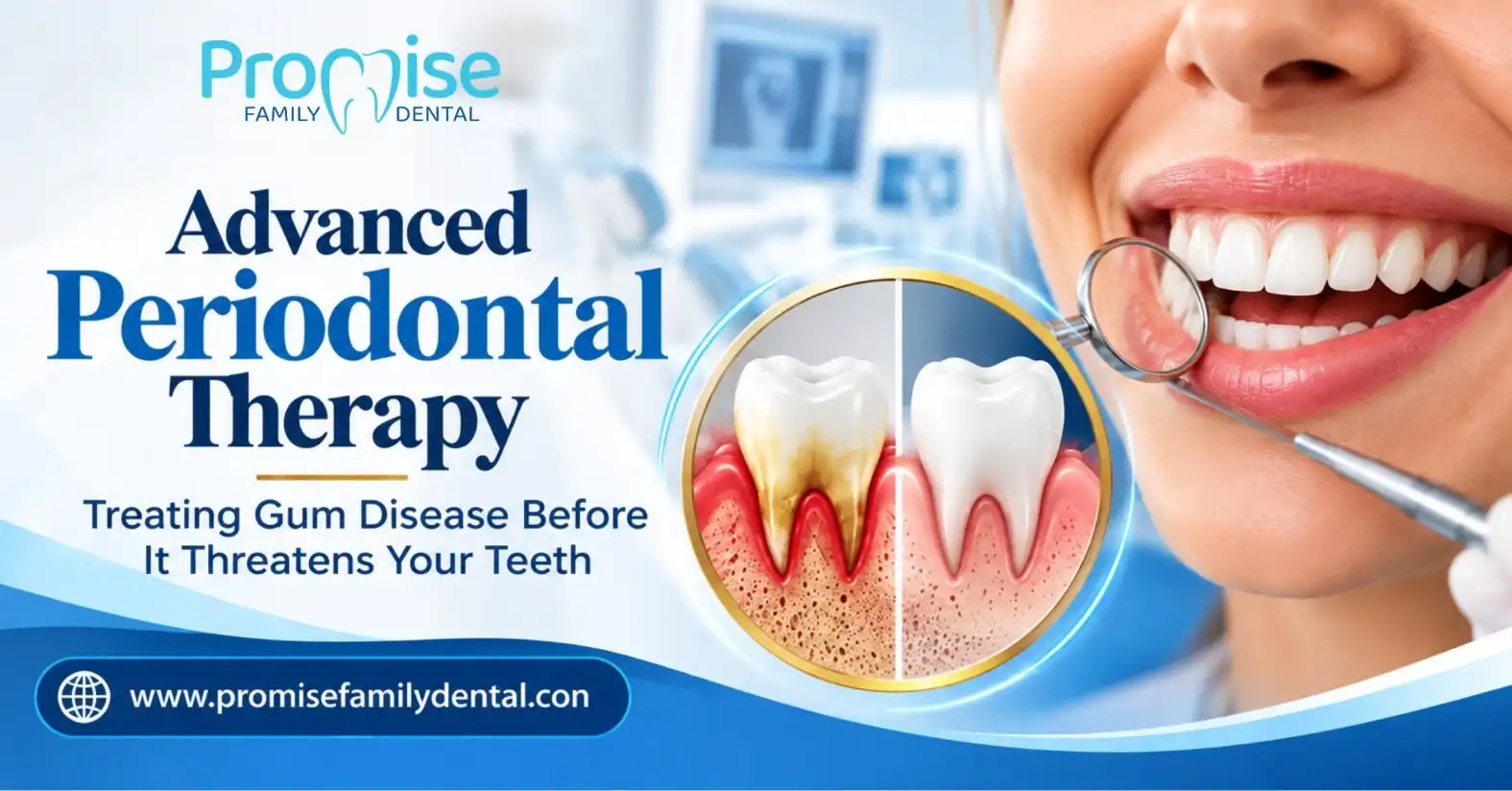
Advanced Periodontal Therapy: Treating Gum Disease Before It Threatens Your Teeth
-
Smile Contouring: The Fastest, Least-Invasive Way to Refine Your Smile's Shape
-
Implant-Supported Dentures: The Premium, Fixed Alternative to Traditional Removable Dentures
Similar Posts
-
Advanced Periodontal Therapy: Treating Gum Disease Before It Threatens Your Teeth
-
Implant-Supported Dentures: The Premium, Fixed Alternative to Traditional Removable Dentures
-
Invisalign vs. Traditional Braces: An Honest Comparisons
-

5 Signs You've Found a Trusted Dentist for Your Family
-
5 Things to Look For When Choosing a Family Dentist in Rockland County


